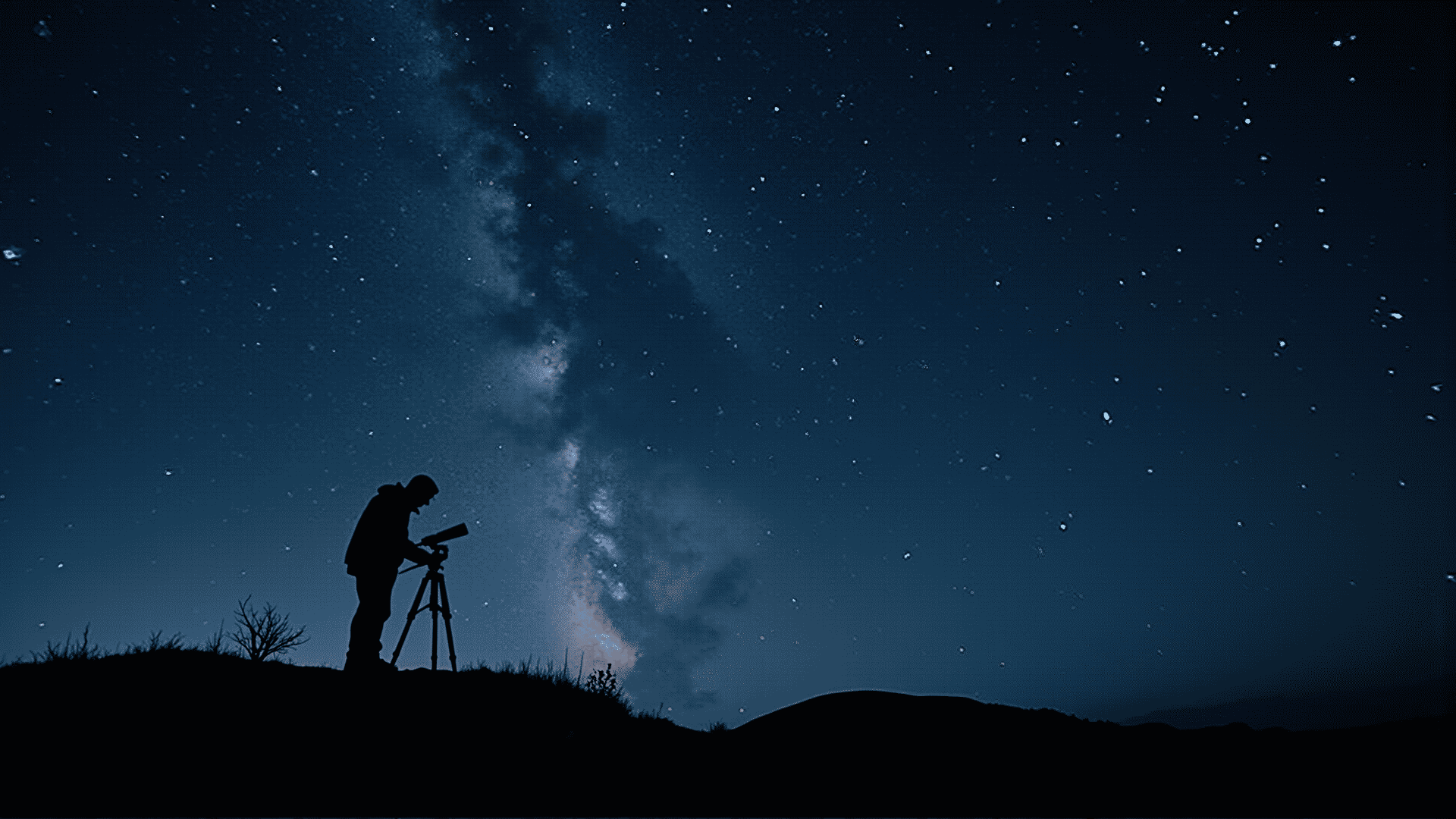
Capturing the night sky can be a breathtaking experience, offering photographers a magical canvas filled with stars, planets, and celestial phenomena. To excel in this art, one must learn to navigate technical challenges and embrace creative techniques. Here, seasoned photographers share their top tips and guidance to help unlock the secrets of shooting the nocturnal heavens.
Essential Equipment
High-quality equipment is crucial for night sky photography. A DSLR or mirrorless camera with a manual mode allows for precise control over exposure settings. Pair it with a fast wide-angle lens, ideally with an aperture of f/2.8 or wider, to capture more light in a single shot. A sturdy tripod is also indispensable to keep your camera stable during long exposures.
Choosing the Right Location
Finding a location with minimal light pollution is key to capturing clear and vibrant night sky images. National parks or remote rural areas usually offer dark skies, free from urban glow. Additionally, consider planning trips during a new moon phase, which ensures the sky is at its darkest.
Perfecting the Settings
For night sky photography, manual mode is your best friend. Start with a longer shutter speed, typically between 15 to 30 seconds, to allow maximum light to reach your sensor. Set your aperture as wide as possible to gather more light, and adjust your ISO to balance exposure without introducing excessive noise—ISO 800 to 3200 is a good range to experiment with.
Focusing in the Dark
Achieving sharp focus in low light can be challenging. Look for the brightest star or distant light source in your frame and use your camera’s live view mode to zoom in and adjust the focus manually until the star appears as a pinpoint. Once the focus is set, switch your lens to manual focus to prevent unwanted shifts.
Composing the Shot
Composition is as important in night photography as in any other form. Incorporate elements such as mountains, trees, or silhouettes to add context and scale to your starry skies. The rule of thirds can be applied by placing the horizon or a foreground element in the lower or upper third of the frame, creating a more dynamic composition.
Experimenting with Creativity
Don’t hesitate to experiment with different techniques. Star trails, for instance, require stacking multiple long exposures to depict the movement of stars across the sky, resulting in mesmerizing circular patterns. Light painting can be used to illuminate foreground objects creatively, adding interest and depth to your compositions.
Post-Processing Magic
Editing your images is an essential part of night sky photography. Use software to adjust the contrast and brightness, enhance the details in the stars, and reduce noise. Gentle adjustments can help bring out the full beauty of the night sky that your camera has captured.
Patience and Perseverance
Finally, remember that mastering night sky photography takes time and patience. Weather conditions, moon phases, and technical hitches can all pose challenges, but persevering through these will ultimately lead to rewarding and stunning captures of our universe.
By following these expert tips and embracing the art of experimentation, photographers can unlock the mysteries of the night sky, creating awe-inspiring images that speak to the grandeur of the cosmos. Whether you’re a seasoned professional or a passionate beginner, the celestial canvas offers endless opportunities for creativity and wonder.