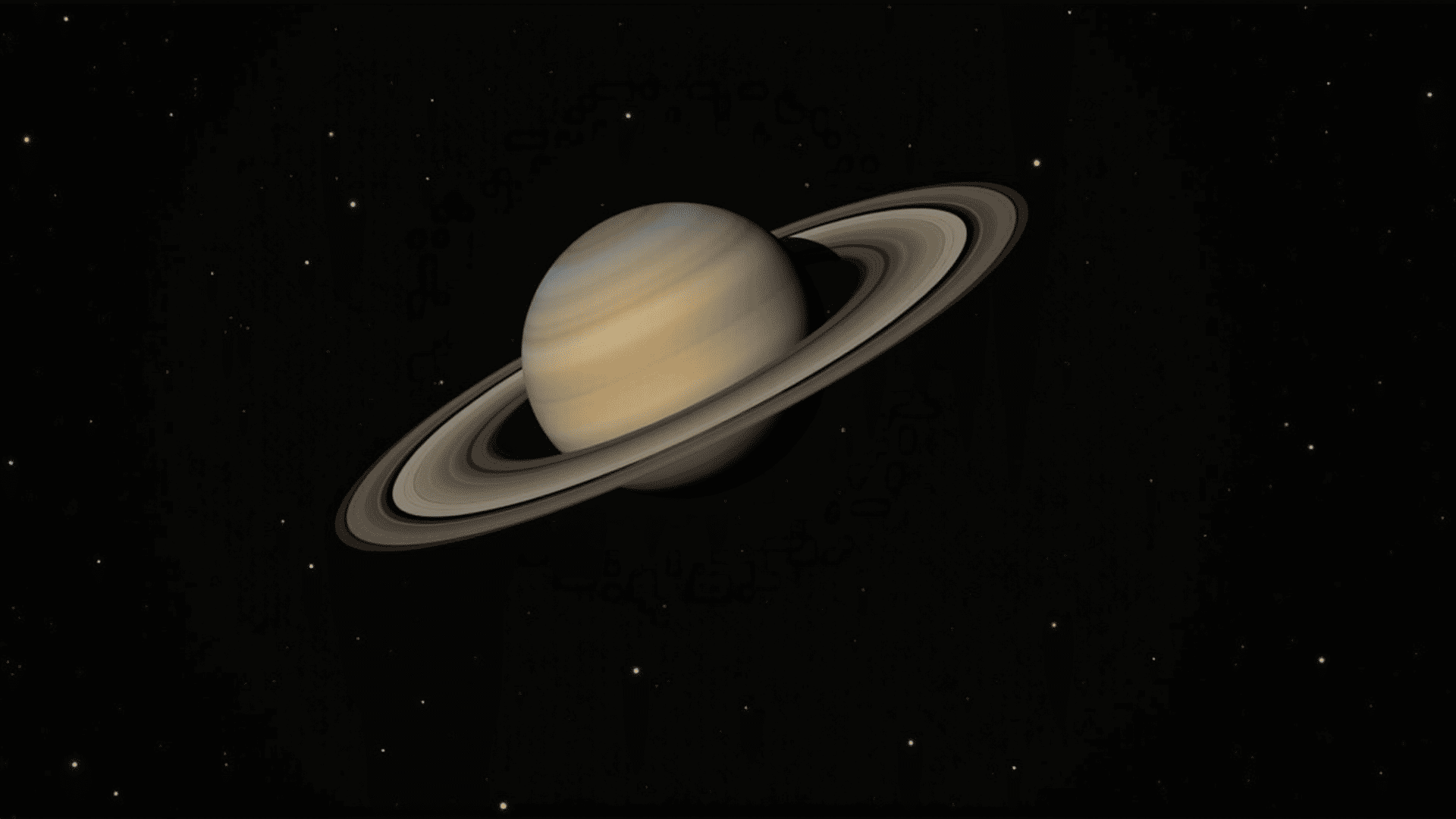
Embarking on an exploration to capture the breathtaking imagery of Saturn's rings demands an appreciation for both the aesthetic beauty and the intricate challenges these celestial features present. Saturn, the gas giant that reigns as the jewel of our solar system, showcases rings that have fascinated astronomers and enthusiasts alike for centuries. These rings, composed of ice and rock particles, form a delicate and dynamic halo around the planet, creating an enchanting spectacle that beckons photographers to capture their ethereal expanse.
The quest to photograph Saturn's rings begins with understanding their composition and behavior. The rings are not a solid structure but rather a collection of billions of particles that range in size from tiny grains to massive boulders. This complexity adds an element of unpredictability, as the rings are continually shaped by gravitational interactions with Saturn's moons and the planet's own gravitational pull. These interactions result in waves and patterns that are both transient and captivating, making each photographic opportunity unique.
Technical prowess and sophisticated equipment are essential for this endeavor. Spacecraft equipped with high-resolution cameras and advanced sensors have been the primary tools for photographing Saturn's rings. For example, NASA's Cassini spacecraft, which orbited Saturn for 13 years, provided a wealth of detailed images that have deepened our understanding of the rings. The spacecraft's ability to capture images in different wavelengths allowed scientists to study the composition and distribution of particles within the rings, revealing subtle features that are invisible to the naked eye.
However, photographing Saturn's rings is not solely the domain of space agencies. Amateur astronomers equipped with powerful telescopes and specialized cameras can also partake in this celestial adventure from the comfort of their own backyards. The challenge, however, lies in the vast distance between Earth and Saturn. Capturing images with clarity requires not only skill but also optimal viewing conditions, as atmospheric disturbances can affect image quality. Patience and perseverance are vital, as photographers must wait for the planets to align properly, often in the early hours of the morning.
One of the main challenges of photographing Saturn's rings is contending with their ever-changing appearance. As Saturn orbits the Sun, the tilt of its rings relative to Earth changes, offering different perspectives over time. During certain periods, the rings appear edge-on and almost vanish from view, while at other times they are open wide, displaying a magnificent panorama. This variability necessitates careful planning and timing to ensure the best possible shot.
Moreover, capturing the delicate colors and intricate structures of the rings poses its own artistic challenges. The contrast between the bright icy particles and the dark spaces between them demands expert handling of exposure and contrast settings. Photographers strive to bring out the subtle hues that range from silvery whites to delicate creams and grays, enhancing the visual spectacle of these cosmic circles.
In addition to technical mastery, a successful photographic journey to Saturn's rings requires dedication to studying and understanding this celestial phenomenon. Each image represents not only a frozen moment in time but also a tribute to the enduring mystery and beauty of our solar system. As lenses focus on this distant giant, they bridge the gap between Earth and the cosmos, bringing back visual fragments of a world far beyond our own.
Photographing Saturn's rings is a journey that challenges the mind and spirit, offering rewards that transcend the boundaries of our planet. As we gaze upon the intricate patterns and shifting shadows of the rings, we are reminded of the grandeur of the universe and the unending pursuit of exploration that defines our quest for knowledge and inspiration.